Regional Regulatory Differences Shape Digital Payment Options for Table Game Fans
Xander Schmitt · May 31, 2026
Regional Regulatory Differences Shape Digital Payment Options for Table Game Fans
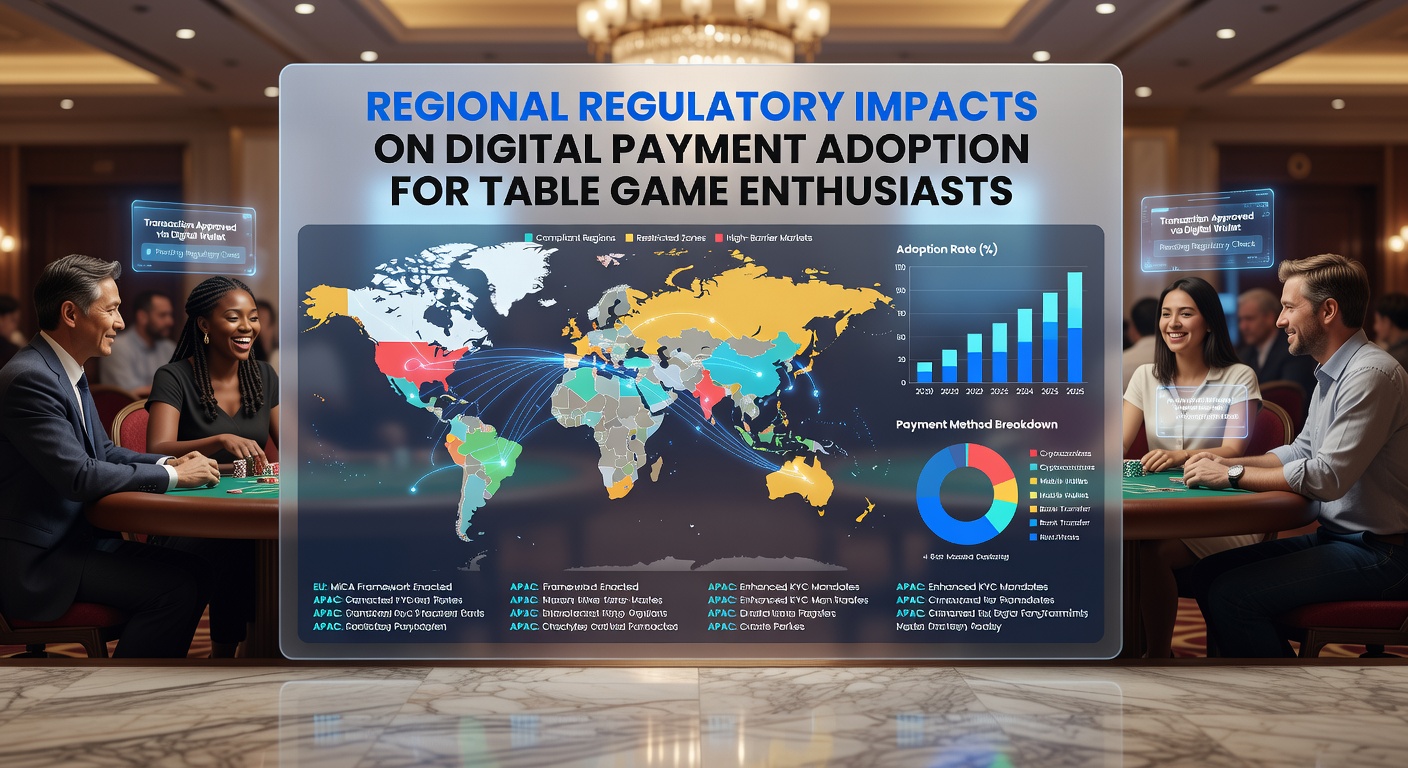
Regional regulations continue to influence how table game enthusiasts access and use digital payment methods in online and mobile environments, with variations emerging across North America, Europe, and Asia-Pacific markets as of May 2026. Data from industry reports indicates that these rules affect everything from e-wallet availability to cryptocurrency restrictions, which in turn shapes adoption patterns for blackjack, poker, and roulette platforms. Observers note that jurisdictions with clearer frameworks often see faster integration of specific payment tools, whereas stricter oversight leads to reliance on alternative options like bank transfers or prepaid cards.
North American Variations Create Distinct Payment Pathways
State-by-state differences in the United States produce uneven landscapes for digital payments tied to table games, as licensing requirements determine which processors can operate. In New Jersey, regulations enforced by the Division of Gaming Enforcement permit a range of e-wallets and credit options that connect directly to live dealer feeds, resulting in higher volumes of instant deposits compared to states with more limited approvals. Canadian provinces follow similar patterns where provincial gaming authorities set standards that favor secure bank-linked systems over emerging digital currencies, and figures from recent compliance reviews show steady growth in these methods through early 2026.
Those who've examined cross-border player data find that enthusiasts in regulated markets often shift toward methods that align with local anti-money laundering protocols, which reduces friction during withdrawals. Yet in areas with pending legislation, adoption stalls because operators cannot guarantee seamless processing, leading players to explore workarounds that comply with existing federal guidelines.
European Frameworks Encourage Localized E-Wallet Growth
Across European Union member states, directives on electronic payments and gambling licensing create incentives for region-specific tools that integrate with table game platforms. Malta's gaming authority, for instance, has established rules that support multiple digital wallet providers, and records from licensed operators reveal increased usage of these services among players favoring live table sessions. In contrast, certain Nordic countries impose caps on transaction speeds and verification layers that steer users toward established banking channels, with adoption data indicating slower uptake of newer apps in those zones.
What's interesting here involves how these rules interact with broader financial directives, since payment service providers must meet both gambling and banking standards simultaneously. Researchers at academic institutions tracking European markets have documented cases where aligned regulations boost cross-platform compatibility, allowing enthusiasts to move funds between poker rooms and blackjack tables without additional verification steps. This setup contrasts with fragmented approaches elsewhere, where separate approvals create delays that discourage frequent play.
Asia-Pacific Markets Highlight Crypto and Mobile Integration Challenges

Countries in the Asia-Pacific region demonstrate how cultural and legal factors combine to affect digital payment preferences for table game enthusiasts, particularly in markets where mobile access dominates. Singapore's regulatory body oversees strict controls that limit cryptocurrency options while promoting licensed e-wallets tied to national banking systems, and operator reports from May 2026 show these methods accounting for a growing share of live dealer transactions. Australian frameworks administered through communications authorities similarly emphasize consumer protections that favor transparent bank transfers, resulting in patterns where players maintain steady adoption rates despite occasional policy adjustments.
Observers tracking these developments point to examples in which jurisdictions with clear digital asset guidelines experience quicker shifts toward hybrid payment solutions that blend traditional and mobile options. Data indicates that table game platforms operating under such rules report fewer interruptions during peak hours, whereas regions with ambiguous rules see enthusiasts defaulting to cash-based or voucher systems that bypass digital channels altogether.
Industry Data Reveals Broader Adoption Trends
Trade associations compiling global statistics note consistent links between regulatory clarity and payment method diversity, with regions that update rules regularly showing expanded support for instant processing features. Academic studies from research centers in multiple countries have examined how these impacts play out for enthusiasts who participate in international tournaments or casual mobile sessions, finding that localized compliance often determines whether certain e-wallets gain traction. Figures released in recent months highlight that payment adoption rates correlate with enforcement consistency rather than outright restrictions, as operators adapt interfaces to meet jurisdiction-specific demands.
One study revealed that players in markets with unified standards encounter fewer barriers when switching between table variants, since payment flows remain uninterrupted across sessions. This pattern holds in places where regulators collaborate with financial institutions to streamline verification, allowing enthusiasts to focus on gameplay instead of transaction logistics.
Conclusion
Regional regulatory approaches continue to determine which digital payment methods gain ground among table game enthusiasts, producing varied outcomes that reflect local priorities around security, speed, and oversight. As frameworks evolve through 2026, the connections between compliance requirements and adoption rates remain central to how platforms serve players across borders. Those monitoring these shifts can track updates from sources like the National Council on Problem Gambling and the Australian Communications and Media Authority for ongoing insights into payment ecosystem changes.