Payment Regulation Updates Drive User Preferences Toward Certain Table Games
Xander Butler · Jun 19, 2026
Payment Regulation Updates Drive User Preferences Toward Certain Table Games
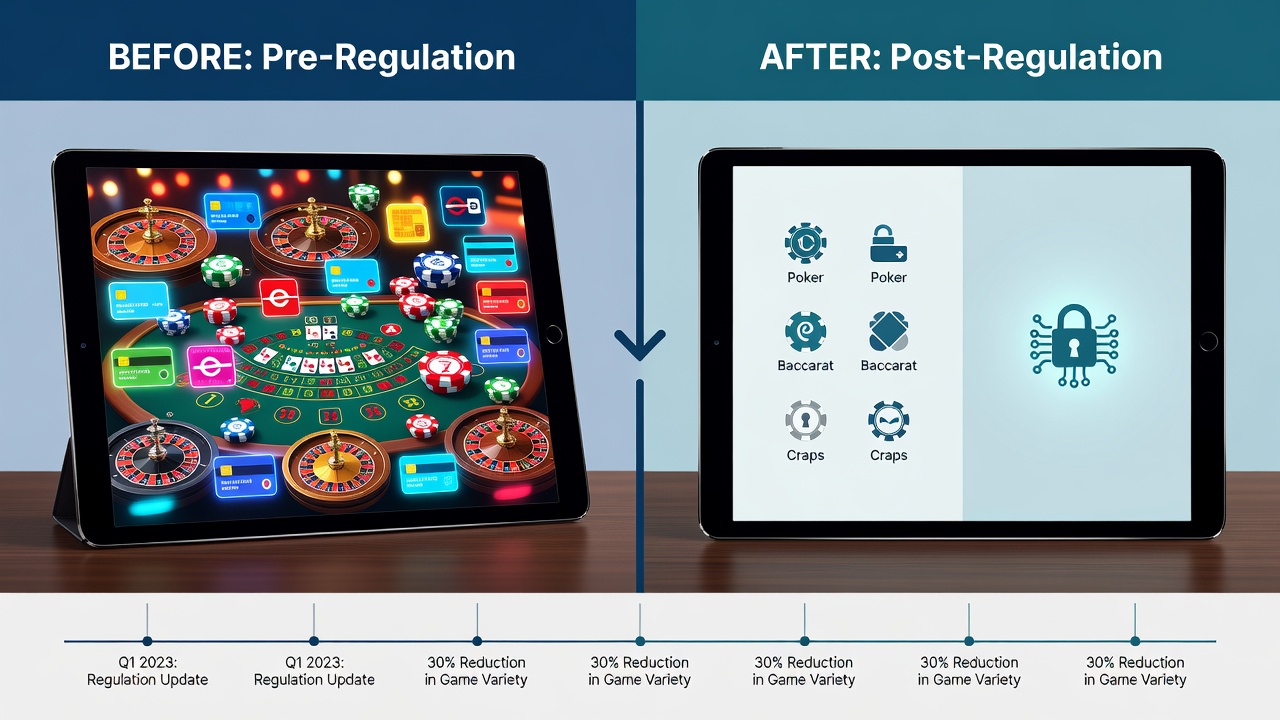
Digital payment regulations have undergone multiple revisions across several jurisdictions since early 2025, and data from multiple monitoring bodies shows corresponding adjustments in the table games that players select on licensed platforms. These changes stem from new verification requirements, transaction caps, and restrictions on certain wallet providers that took effect at different times depending on the region. Observers note that platforms track these patterns through aggregated user data rather than individual accounts, which reveals broader trends without compromising privacy standards.
Key Regulatory Milestones and Their Timing
European authorities implemented updated rules on electronic transfers in March 2025 that required additional verification layers for transactions above certain thresholds, while Canadian provinces introduced deposit frequency limits in September of the same year. Australian regulators followed with similar measures in February 2026. By June 2026 several U.S. states had aligned their frameworks with federal guidance on cross-border payments, creating a more uniform environment that affected how quickly funds became available for play. These staggered rollouts produced measurable differences in selection patterns as users adapted to the new processing times and verification steps.
Observed Changes in Game Selection Patterns
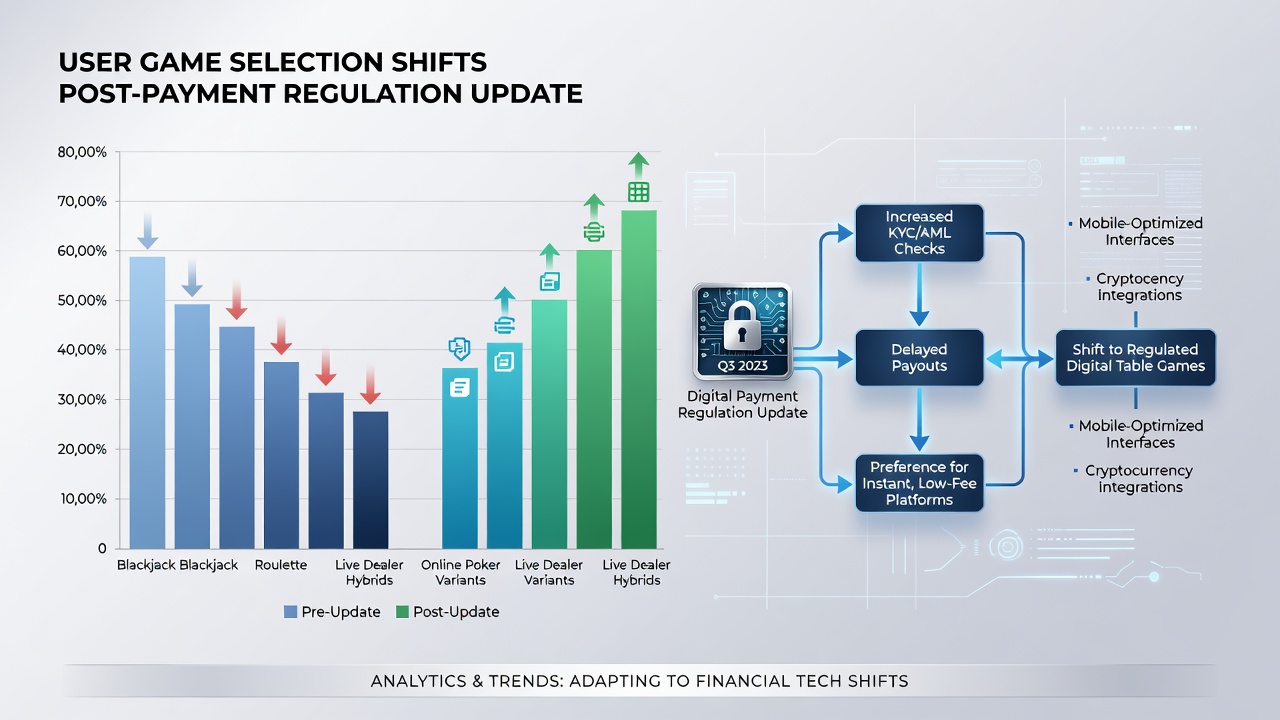
Industry reports indicate that blackjack tables with lower minimum stakes experienced increased traffic on platforms operating under the revised rules, whereas some high-limit live dealer variants saw reduced session lengths. Roulette options that allow smaller incremental bets also recorded higher participation rates in regions where instant deposit methods faced new delays. Researchers tracking these movements attribute the shift partly to the way payment processing speed influences bankroll management decisions during individual sessions.
One study released by a European research consortium found that average session duration for certain card games shortened by roughly 12 percent after verification updates rolled out, while wheel-based games maintained steadier engagement levels. The same analysis noted that players increasingly chose RNG versions over live dealer streams in markets where funding speed became less predictable. These patterns emerged consistently across multiple operators rather than appearing as isolated platform-specific phenomena.
Regional Variations in User Adaptation
North American markets displayed quicker movement toward instant-play table games compared with European jurisdictions, where longer-standing verification processes already existed. Australian operators reported that users gravitated toward games supporting smaller, more frequent wagers once daily deposit caps were enforced. Data compiled by the European Gaming and Betting Association shows these adjustments occurred without overall declines in total table game volume, suggesting redistribution rather than reduction in activity.
Canadian provincial regulators documented similar redistribution effects following their September 2025 updates, with baccarat variants gaining share in some provinces while others saw increased interest in multi-hand blackjack formats. The variations appear tied to the specific deposit limits each province set rather than a uniform continental response.
Platform Adjustments and Data Tracking
Operators responded by highlighting game features that align with the new payment realities, such as quicker round completion times and lower entry thresholds. Analytics teams at several major sites began publishing monthly summaries that break down table game traffic by funding method, revealing correlations between certain payment types and preferred game categories. These internal reports remain consistent with external data released by academic groups studying digital transaction impacts on entertainment sectors.
Payment processors themselves published aggregate statistics showing how transaction approval rates varied by game category after the rule changes, though they stopped short of disclosing proprietary user-level details. The Australian Communications and Media Authority incorporated some of these processor-level figures into its 2026 market review, confirming that the observed selection shifts aligned with the timing of regulatory enforcement rather than seasonal fluctuations alone.
Conclusion
Available evidence points to ongoing redistribution of table game traffic as payment regulations continue to evolve. Platforms and researchers alike continue to monitor these movements through standardized reporting frameworks that emerged after the 2025-2026 updates. Future adjustments to verification thresholds or allowed payment instruments will likely produce additional measurable changes in which table games attract the most activity across different markets.