Navigating Tiered Incentive Structures Fueling Participation in Remote Gaming Networks
Jordan Carter · Aug 2, 2026
Navigating Tiered Incentive Structures Fueling Participation in Remote Gaming Networks
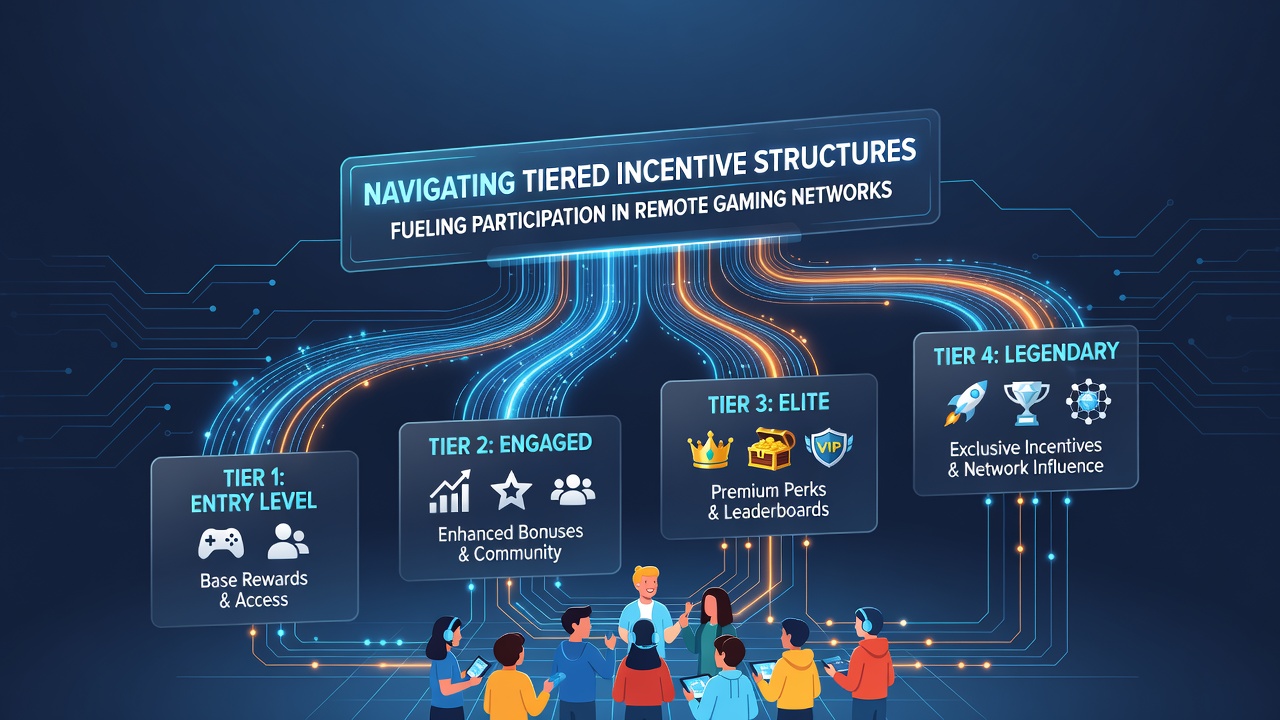
Remote gaming networks rely on layered reward programs that escalate benefits as user activity increases, and these structures shape how participants engage with digital platforms across multiple regions. Players accumulate points through deposits, wagers, and session time which then unlock higher tiers offering enhanced cashback rates, priority access to events, and customized promotions. Data from industry reports indicate that such systems maintain steady engagement levels in markets where competition among operators remains high.
Core Mechanics of Multi-Level Reward Systems
Operators design these programs with clear entry points at lower tiers that require modest activity thresholds while upper levels demand consistent volume and often include time-bound qualifiers. Points systems convert betting activity into redeemable credits or status markers, and participants track progress through dedicated dashboards that display remaining requirements for advancement. Research indicates that networks incorporating daily login streaks alongside wager-based earnings see broader distribution of users across all tiers rather than concentration at entry levels.
Many platforms integrate real-time notifications that highlight progress toward the next reward bracket, and this feedback loop encourages continued play without direct intervention. Observers note that structures with transparent rules about wagering multipliers and expiration dates reduce confusion among users who move between multiple sites. In August 2026 several major networks adjusted their tier reset cycles to align with calendar quarters which aligned participation patterns more closely with seasonal events in sports and tournament calendars.
Regional Variations in Program Design
European operators frequently emphasize cashback percentages that scale with tier status while North American platforms highlight exclusive tournament entries and merchandise redemptions. Australian networks incorporate loyalty cards that link physical venue play with online activity creating hybrid participation models. Those who have examined cross-border player data find that tiered structures adapt to local regulatory limits on bonus values yet still deliver differentiated experiences at each level.
One study released by the Canadian Gaming Association revealed that platforms offering tiered access to live dealer rooms retained users for longer average session durations compared wth flat reward models. Similar patterns appear in Asian markets where mobile-first networks tie tier advancement to social features such as friend referrals and group challenges. These adaptations demonstrate how incentive layers respond to both cultural preferences and technical infrastructure differences.
Player Navigation Strategies and Platform Tools
Users who maintain activity across multiple networks often prioritize platforms with compatible tier systems that allow point carryover or status matching during promotional periods. Many operators now provide calculators within their apps that project future tier status based on planned deposit schedules and game selections. This functionality helps participants set realistic targets without exceeding personal limits on time or spending.
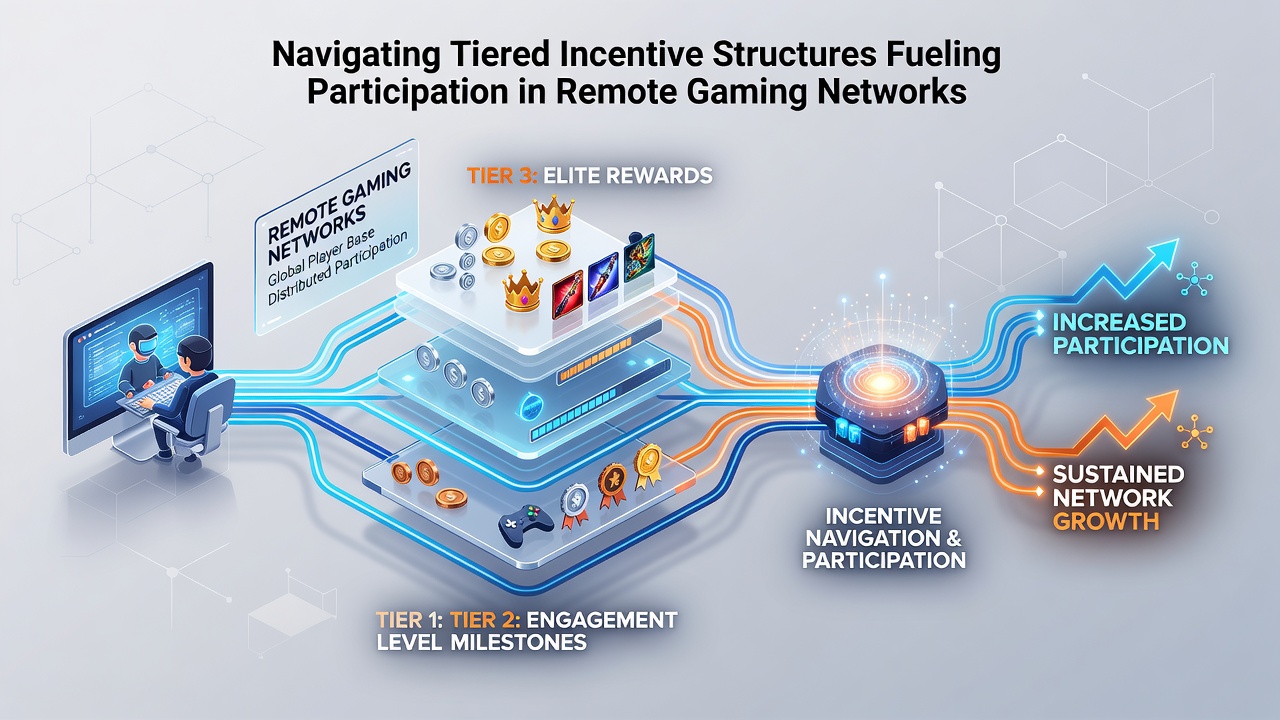
Support teams at larger networks offer dedicated account managers for higher tiers who assist with navigating complex redemption rules and optimizing point usage. Lower-tier participants rely on automated FAQ sections and community forums where experienced users share sequences that maximize returns under current wagering requirements. Data shows that networks providing both automated tools and human assistance achieve higher tier advancement rates across their user base.
Impact on Network Participation Metrics
Figures from multiple operator reports demonstrate that tiered programs correlate with increased deposit frequency and longer account lifespans when compared against non-tiered alternatives. Participation in remote networks expands when users perceive clear pathways to meaningful rewards rather than random bonus distributions. Those tracking industry statistics observe that networks refreshing their tier benefits quarterly maintain steadier player inflows during slower months.
Academic analyses from research institutions in Australia and Canada confirm that structured incentives influence game selection patterns as users shift toward titles that contribute most efficiently to point totals. This behavioral shift occurs across skill-based and chance-based offerings alike though the magnitude varies by region and regulatory environment. Networks that publish clear contribution rates for different game categories help users make informed choices that align with their preferred play styles.
Conclusion
Tiered incentive structures continue to evolve as operators refine thresholds and rewards based on aggregated user data and regulatory guidance. Participants who understand the mechanics of point accumulation, tier reset schedules, and regional differences gain clearer pathways through these systems. Ongoing adjustments in August 2026 and beyond reflect broader trends in remote gaming where engagement metrics remain tied to the perceived value delivered at each successive level.