Decoding Cultural Influences on Blackjack Variant Preferences in Asian Online Markets
Jakob Butler · May 17, 2026
Decoding Cultural Influences on Blackjack Variant Preferences in Asian Online Markets
Online blackjack has gained steady traction across Asian markets where digital platforms now host millions of sessions each month, yet player selections among variants reflect deeper cultural patterns rather than random choice, according to industry data compiled through 2026. Variants such as European blackjack, which uses a single deck and prohibits hole cards, compete with multi-hand formats and side-bet heavy versions that incorporate lucky number themes or group play mechanics. Observers note that these preferences shift noticeably when platforms adjust rules to accommodate regional superstitions around luck, numerology, and social interaction.
Historical Background and Market Growth
Blackjack arrived in Asia through colonial trade routes and later through integrated casino resorts in Macau and Singapore, but the online shift accelerated after regulatory changes in several jurisdictions between 2020 and 2025. Data from regional gaming associations shows that blackjack traffic in licensed Asian-facing platforms grew by double digits annually, with variant selection becoming a key differentiator for operators seeking repeat engagement. Players in markets with strong baccarat traditions often gravitate toward blackjack versions that emphasize quick decisions adn visible card counts, while those from societies valuing calculated risk may favor slower-paced formats that reward strategy over chance elements.
Cultural Drivers Behind Variant Choices
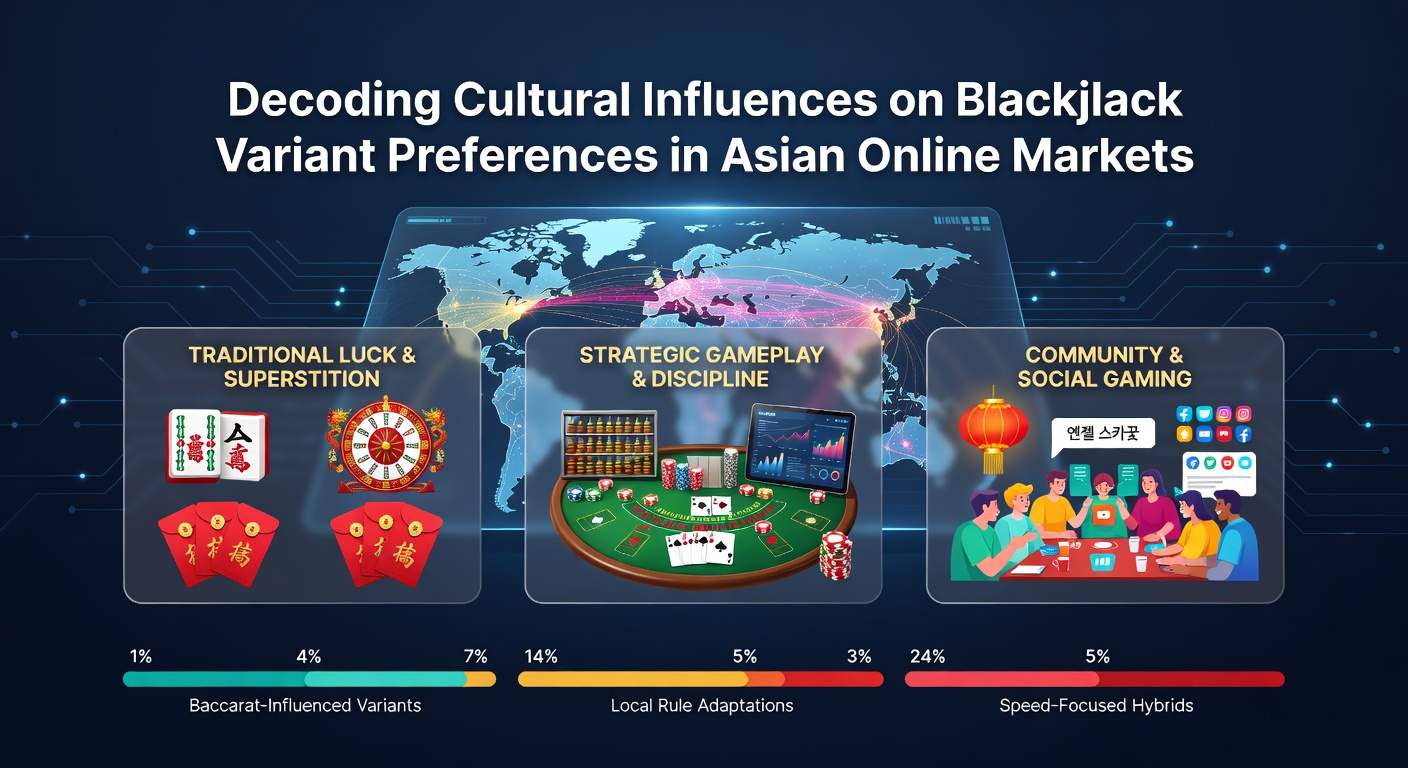
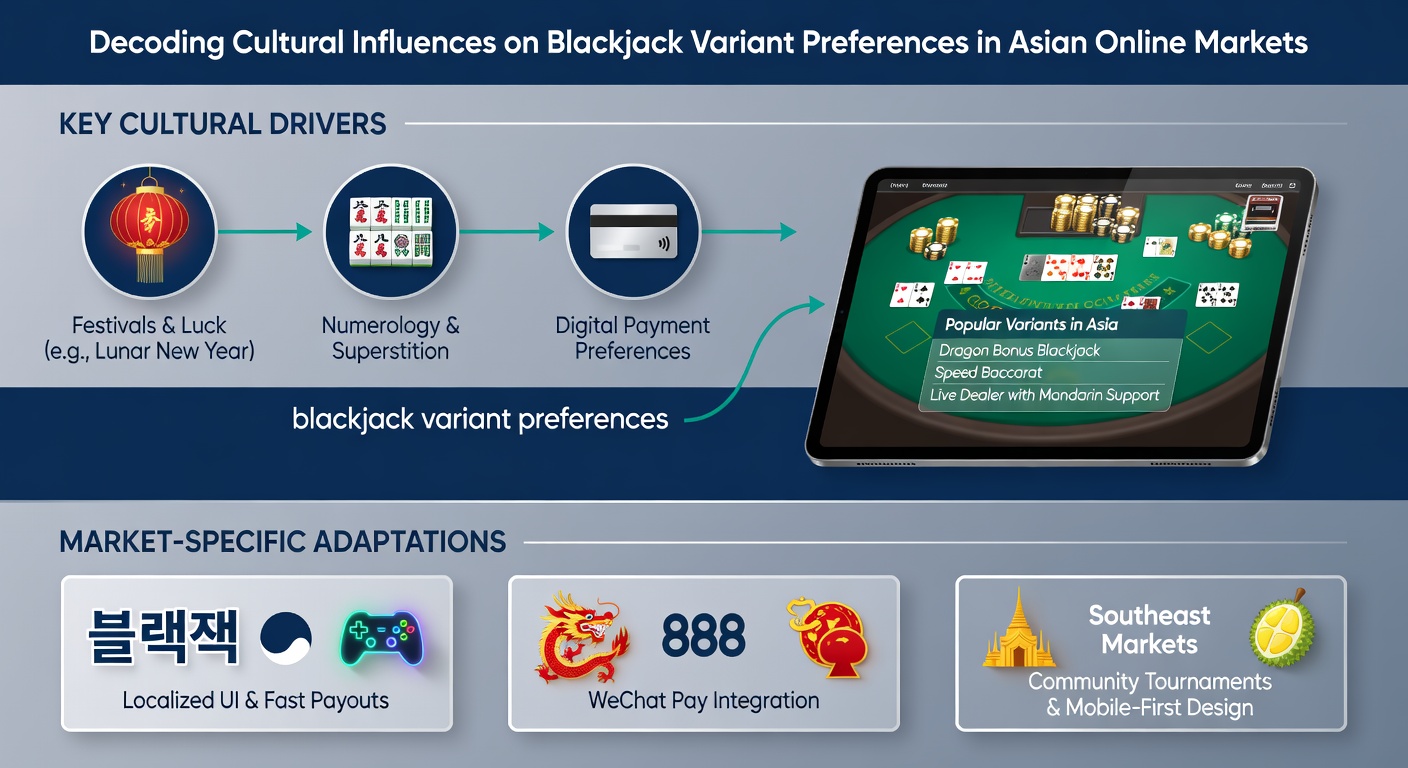
Researchers at institutions focused on Asian gaming behavior have identified several recurring influences. Numerology plays a prominent role because many players avoid tables featuring the number four while seeking out sequences that include eight or nine. This pattern appears in rule sets that let users select deck counts or payout multipliers aligned with auspicious figures. Collectivist values common in several East Asian societies also encourage variants that support simultaneous play or shared bonus rounds, allowing friends or family members to participate in the same session even when physically apart. In contrast, markets with higher emphasis on individual achievement show stronger uptake of head-to-head or tournament-style blackjack where personal skill stands out more clearly.
Language and interface design further shape choices. Platforms that offer native-language commentary and culturally resonant sound effects report higher retention for specific variants, according to usage logs shared by operators active in May 2026. Visual cues such as red envelopes during promotional rounds or dragon motifs on virtual felt can tilt selections toward versions that integrate these elements seamlessly.
Regional Differences Across Key Markets
Preferences diverge sharply by country. In markets influenced by Chinese cultural norms, European-style blackjack with fewer decks and strict dealer rules tends to dominate because it mirrors the analytical approach many players apply to baccarat. Southeast Asian participants, however, show stronger interest in hybrid games that blend blackjack with elements from local card traditions, including optional insurance bets tied to festival dates. Japanese and Korean users often select variants that include rapid-fire rounds and mobile-optimized interfaces, reflecting broader patterns of high-speed digital consumption documented in consumer behavior studies.
One study released by the University of Macau's gaming research center tracked session data across multiple operators and found that side-bet participation rates climbed when payouts aligned with cultural festivals, while standard rule sets retained steadier traffic outside those periods. Similar patterns emerged in reports covering the Philippines and Malaysia, where operators adjust variant availability based on local holiday calendars and community feedback loops.
Technology and Platform Adaptations
Live dealer technology has amplified cultural preferences because players can now observe dealer mannerisms and table atmospheres that echo land-based experiences in Macau or Genting. Features such as customizable avatars wearing traditional attire or chat functions moderated in regional dialects increase dwell time on particular variants. Mobile apps that support both portrait and landscape modes see different selections depending on whether users play during commutes or at home, with shorter-session formats rising during travel windows. These adaptations appear in platform updates rolled out through spring 2026, responding to aggregated preference data rather than assumptions.
Current Trends Observed in May 2026
Figures released mid-2026 indicate continued experimentation with rule tweaks that incorporate lucky number multipliers and community jackpots. Regulatory updates in several jurisdictions now require clearer disclosure of variant odds, which has prompted operators to publish comparative statistics that highlight how cultural adjustments affect expected returns. Industry observers report that platforms offering transparent data on variant popularity by region maintain stronger engagement metrics, while those ignoring local nuances experience faster player churn. Cross-border access through VPNs further complicates tracking, yet aggregated anonymized data still reveals consistent regional clusters around specific rule combinations.
Conclusion
Cultural influences on blackjack variant preferences continue to shape product development across Asian online markets, with numerology, social norms, and regional traditions guiding both rule design and interface choices. Data collected through May 2026 demonstrates measurable differences in uptake between European-style formats, side-bet enhanced versions, and community-oriented hybrids. Operators that align offerings with documented player behaviors maintain stronger positions, while ongoing research from academic centers and regulatory bodies provides fresh insights into evolving patterns. These dynamics underscore the importance of localized approaches in a market where cultural context directly informs digital engagement.