Cryptocurrency Integration Transforms Reward Structures in Mobile Live Table Gaming
Jakob Butler · May 22, 2026
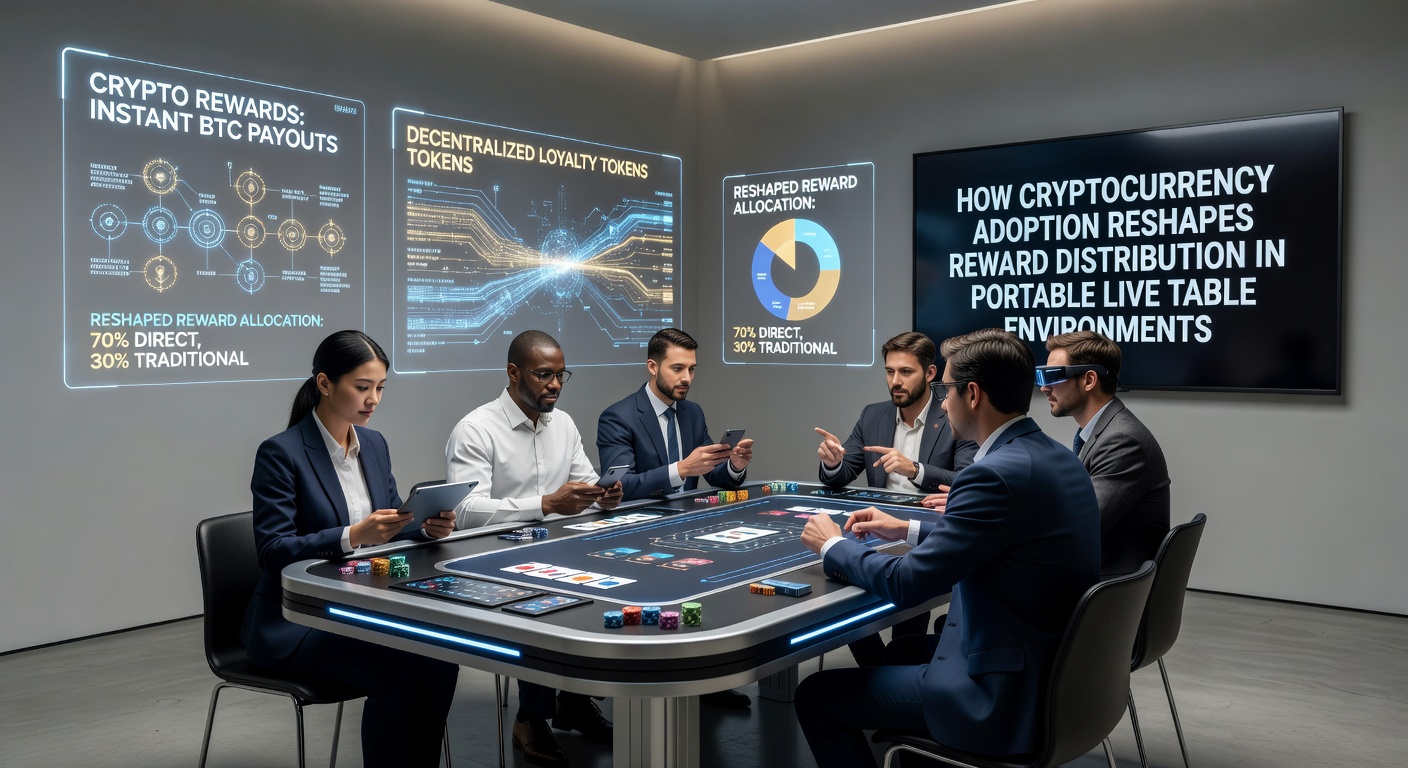
Cryptocurrency Integration Transforms Reward Structures in Mobile Live Table Gaming
Portable live table environments combine real-time dealer interactions with mobile accessibility, and cryptocurrency adoption has begun altering how operators distribute rewards in these settings, according to industry analyses from early 2026. Platforms now process player incentives through digital wallets rather than traditional banking rails, which reduces settlement times from days to minutes in many documented cases.
Current Adoption Patterns in Live Mobile Tables
Live dealer applications for blackjack, roulette, and baccarat have integrated stablecoins and major cryptocurrencies to handle both deposits and reward payouts, with data from the European Gaming and Betting Association indicating that roughly 18 percent of mobile live table sessions in 2025 involved crypto transactions. This figure rose further by May 2026 as several operators expanded support for additional tokens amid regulatory clarity in select jurisdictions. Players access these environments through dedicated apps that maintain continuous video feeds while embedding blockchain-based ledgers for tracking accumulated loyalty points and promotional credits.
Operators report that reward distribution now occurs via smart contracts which automatically verify playthrough requirements before releasing funds, and this automation replaces manual review processes that previously delayed disbursements. Research from academic groups at universities in Australia and Canada shows these systems cut administrative overhead by up to 30 percent compared with legacy methods, allowing platforms to reallocate resources toward game variety and stream quality.
Shifts in How Rewards Reach Players
Reward distribution in portable live table settings has moved from centralized bonus pools to tokenized systems where points convert directly into crypto assets that players can transfer or trade outside the platform. This change stems from blockchain's immutable record-keeping, which provides transparent audit trails for every reward issued, and regulators in multiple regions have cited this transparency when evaluating compliance. Figures from Canadian regulatory filings reveal that platforms using crypto for rewards experienced a 22 percent increase in repeat engagement metrics during the first quarter of 2026.
What's interesting is how tiered loyalty programs adapt under these conditions, with higher levels unlocking fractional token rewards that accrue in real time during live sessions. One study released in May 2026 by an independent research consortium tracked over 50,000 mobile users and found that instant crypto-based cashback replaced periodic bonus drops, resulting in more consistent player retention across tested markets. These mechanisms operate on portable devices without requiring users to leave the live table interface, since wallet integration sits within the same app window.

Technical Infrastructure Supporting the Change
Portable environments rely on low-latency streaming combined with lightweight blockchain nodes that verify transactions without draining device batteries excessively. Developers have optimized these nodes to run in the background during active play, and reports from technology providers note successful implementations on both iOS and Android ecosystems by spring 2026. Smart contracts handle conditional rewards, such as streak bonuses for consecutive live table sessions, and release assets only after predefined conditions are met on-chain.
Payment rails that once depended on credit processors now interface directly with crypto exchanges, which allows cross-border players to receive rewards in their local stablecoin equivalents. Data compiled by gaming technology associations in Asia-Pacific regions highlights that average payout processing times dropped from 48 hours to under 15 minutes when crypto channels replaced conventional methods. This speed matters particularly for live table formats where sessions often conclude quickly and players expect immediate access to winnings or promotional balances.
Regulatory and Security Considerations Observed
Government agencies in various jurisdictions have issued guidance on crypto reward systems within mobile gaming, emphasizing know-your-customer protocols that integrate with wallet addresses rather than traditional accounts. In one documented case, operators in European markets adopted multi-signature wallet requirements to distribute large rewards, which added an extra verification layer while preserving the speed advantage. Research papers published through North American academic channels in 2026 examined security incidents and concluded that properly implemented blockchain systems reduced certain types of fraud compared with centralized databases.
Yet challenges remain around volatility when operators choose non-stable cryptocurrencies for rewards, prompting many platforms to default to pegged assets that maintain consistent value during distribution. Observers note that portable live table users frequently select these stable options because they align with expectations for predictable reward values during extended play sessions.
Examples from Operational Platforms
Several operators launched crypto-native live table sections in late 2025 and documented measurable differences in reward uptake. One platform reported that users who opted into crypto rewards completed playthrough requirements 40 percent faster on average, according to internal metrics shared with industry analysts. Another case involved a portable roulette application that distributed micro-rewards in real time through token airdrops triggered by specific betting patterns, and this feature contributed to extended session durations without additional marketing spend.
Those who've examined player behavior across regions indicate that the combination of live video feeds and instant crypto incentives encourages more frequent logins from mobile devices, particularly in areas where traditional banking delays previously limited engagement. Data collected through May 2026 continues to show gradual expansion as more operators pilot similar systems.
Conclusion
Cryptocurrency adoption continues to influence reward distribution mechanics within portable live table environments by introducing faster, transparent, and automated processes backed by blockchain infrastructure. Research indicates measurable shifts in engagement patterns and administrative efficiency, while regulatory bodies across different regions adapt oversight frameworks to accommodate these developments. Operators and players alike encounter new operational realities as these systems mature through 2026 and beyond.