Better Business Bureau Issues Warning on Unlicensed Sportsbooks and Online Gambling Risks in 2026
Xander Schmitt · Jul 8, 2026
Better Business Bureau Issues Warning on Unlicensed Sportsbooks and Online Gambling Risks in 2026
The Better Business Bureau released a public alert in July 2026 directed at sports bettors across the United States, and the notice focuses on hazards tied to unlicensed sportsbooks along with various online gambling scams that continue to surface in the expanding market. Reports indicate that the organization highlighted how these unregulated operations often lead to fraud, and the alert urges consumers to stick with platforms that operate under proper state oversight. This development arrives during a period when concerns about consumer protection in the gambling sector remain active, particularly as more states permit legal betting options while illegal alternatives persist. Details from the BBB announcement emphasize several common tactics employed by fraudulent sites, including promises of unrealistic bonuses, difficulties with withdrawals, and outright theft of personal banking information. Those who've reviewed the alert note that operators without licenses frequently disappear once users attempt to cash out winnings, leaving bettors with no recourse through official channels. The warning points out that regulated platforms must comply with strict standards for security, fair play, and dispute resolution, whereas unlicensed ones operate beyond such requirements. Observers note that the BBB's message aligns with broader efforts by state regulators to educate the public, and several gaming commissions have issued similar guidance in recent months. Data from industry tracking shows continued growth in legal sports betting volume, yet parallel increases in reports of scam activity appear in consumer complaint databases. The alert specifically advises verifying a site's license through official state websites before depositing funds, and it recommends checking BBB ratings as an additional step. People familiar with the sector point out that unlicensed operations sometimes mimic legitimate brands through copycat websites or deceptive advertising, which can confuse even experienced bettors. The BBB response includes practical steps such as using secure payment methods and monitoring account activity closely, while also stressing the role of customer support responsiveness as a potential red flag when absent. Evidence from past cases demonstrates that victims of these schemes often face lengthy or impossible recovery processes once funds leave their accounts. What's interesting is how the warning connects to ongoing national conversations around consumer safeguards, and multiple states have expanded their enforcement teams to address illegal gambling sites. Figures from regulatory filings reveal that complaints about online betting fraud have climbed steadily, prompting organizations like the BBB to step up public outreach. Bettors are encouraged to report suspicious activity directly to state authorities, which can help track patterns and shut down operations faster. The second image appears here to illustrate related trends in the sector. 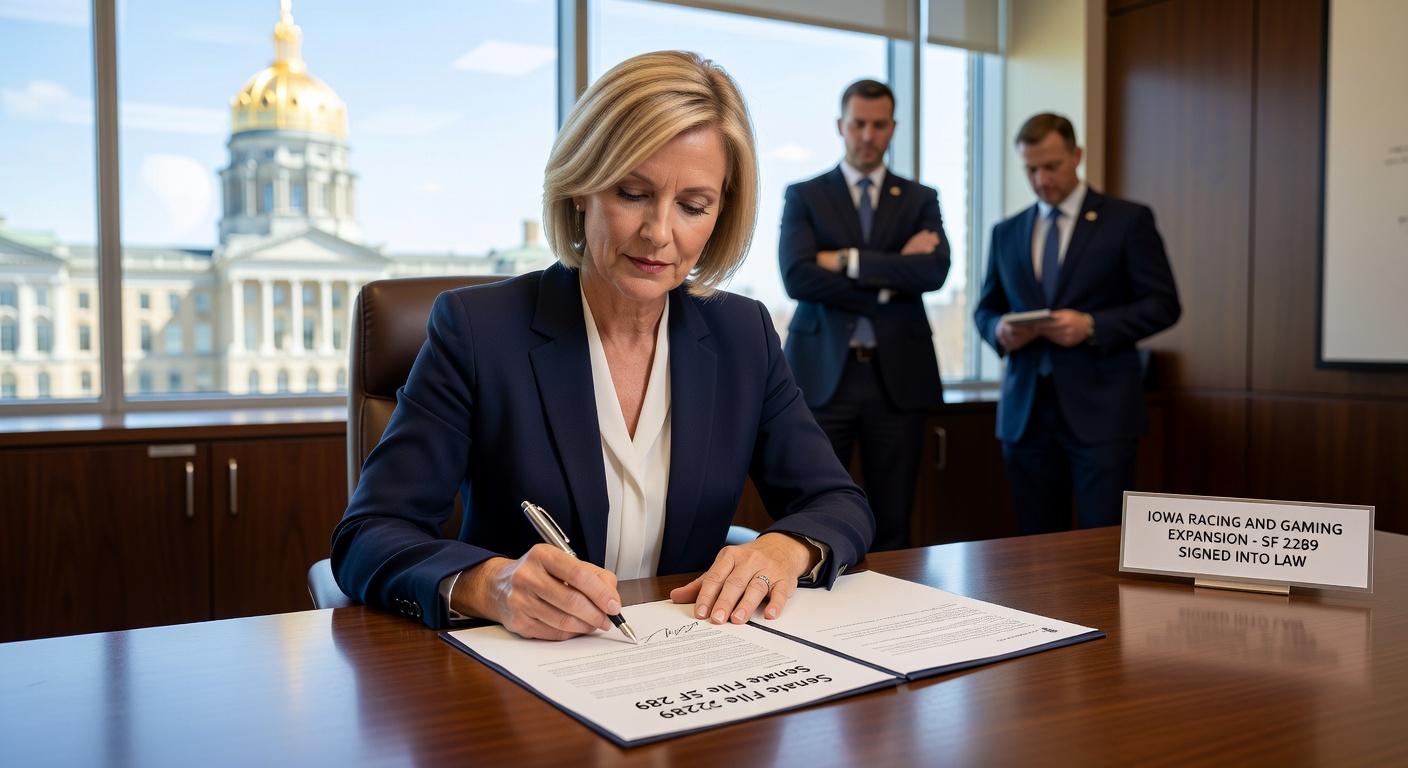 According to the alert's guidance, consumers should look for clear licensing information displayed on a site's footer or about page, and cross-reference that with lists maintained by state gaming bodies such as those in New Jersey or Pennsylvania. Research from academic sources, including studies conducted at institutions tracking consumer finance, indicates that early identification of unlicensed platforms reduces exposure to financial loss significantly. The BBB further notes that some scams involve social media promotions that direct users to fake apps or sites, bypassing standard app store protections. And here's where the details matter most: the organization stresses that even platforms claiming international licenses may not hold validity within the United States, since each state maintains its own approval process. This distinction proves critical because federal law defers most gambling oversight to individual states, creating a patchwork of rules that bettors must navigate. Reports from the period show that education campaigns like this one often coincide with legislative sessions where new regulatory measures receive consideration. Those monitoring complaint trends observe that recovery rates improve when users document all interactions and report promptly, and the BBB alert provides templates for such reports. Industry associations have echoed parts of the message by promoting best practices for digital security, and joint initiatives between consumer protection groups and regulators continue to develop. Data indicates that states with robust licensing systems see lower per capita scam reports compared to those with newer markets still building infrastructure. The alert also touches on the psychological aspects of betting, noting how aggressive marketing can pressure users into hasty decisions without verification. Observers note that setting personal limits and using only verified apps form basic defenses against these approaches. Multiple sources, ranging from state gaming reports to university-led surveys, confirm that awareness remains the strongest tool available to individual bettors.
Key Takeaways from the BBB Alert
- Verify licensing through official state gaming commission portals before any deposits occur
- Monitor withdrawal processes and report delays immediately to consumer protection agencies
- Avoid promotions that appear through unsolicited channels or unverified social media accounts
- Cross-check platform ratings on established consumer review organizations like the BBB
Broader Context in the U.S. Gambling Landscape
The July 2026 timing of the BBB notice reflects sustained growth in legal markets alongside persistent challenges from illegal operators, and this dynamic has prompted renewed focus on public education efforts. Government agencies in various regions continue to share resources that help distinguish legitimate options, while academic research from centers studying behavioral economics examines how warnings influence user choices. Those who've tracked similar alerts in prior years note measurable upticks in license verification activity following such releases.
Conclusion
The BBB warning serves as a direct reminder that due diligence protects bettors from significant financial harm, and the emphasis on regulated platforms aligns with established consumer protection frameworks across the country. As the sector evolves, ongoing collaboration between organizations, regulators, and the public supports safer participation. Those interested can review the original coverage through local news outlets or consult resources from state gaming authorities for updated verification tools.