Avatar Customization Shapes Timing Choices in Prolonged Virtual Table Play on International Platforms
Noah Jenkins · Jul 17, 2026
Avatar Customization Shapes Timing Choices in Prolonged Virtual Table Play on International Platforms
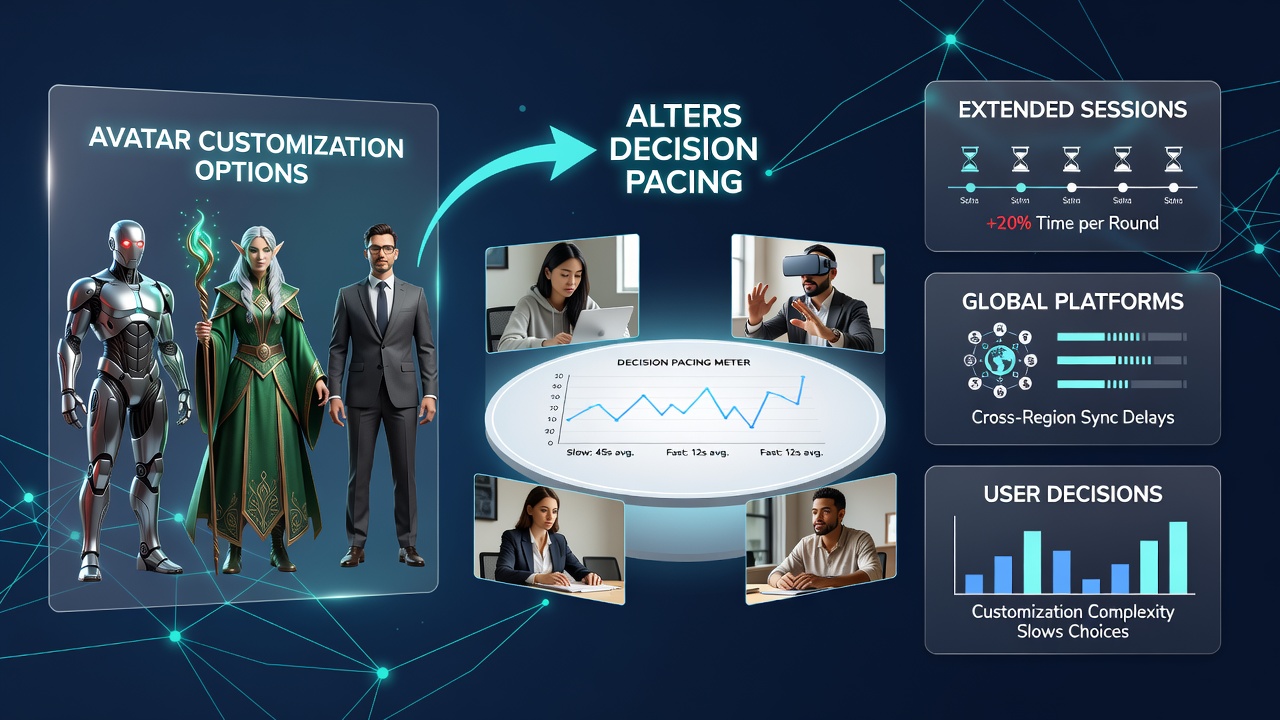
Virtual table environments across major platforms allow users to modify character appearances, accessories, and animations in real time, and this feature influences how participants manage the intervals between actions during multi-hour sessions. Researchers at the University of Nevada, Reno have tracked session logs from thousands of accounts, noting that players who invest time in avatar adjustments often extend their initial decision windows by several seconds compared with those using default settings.
Platform Data Patterns Across Regions
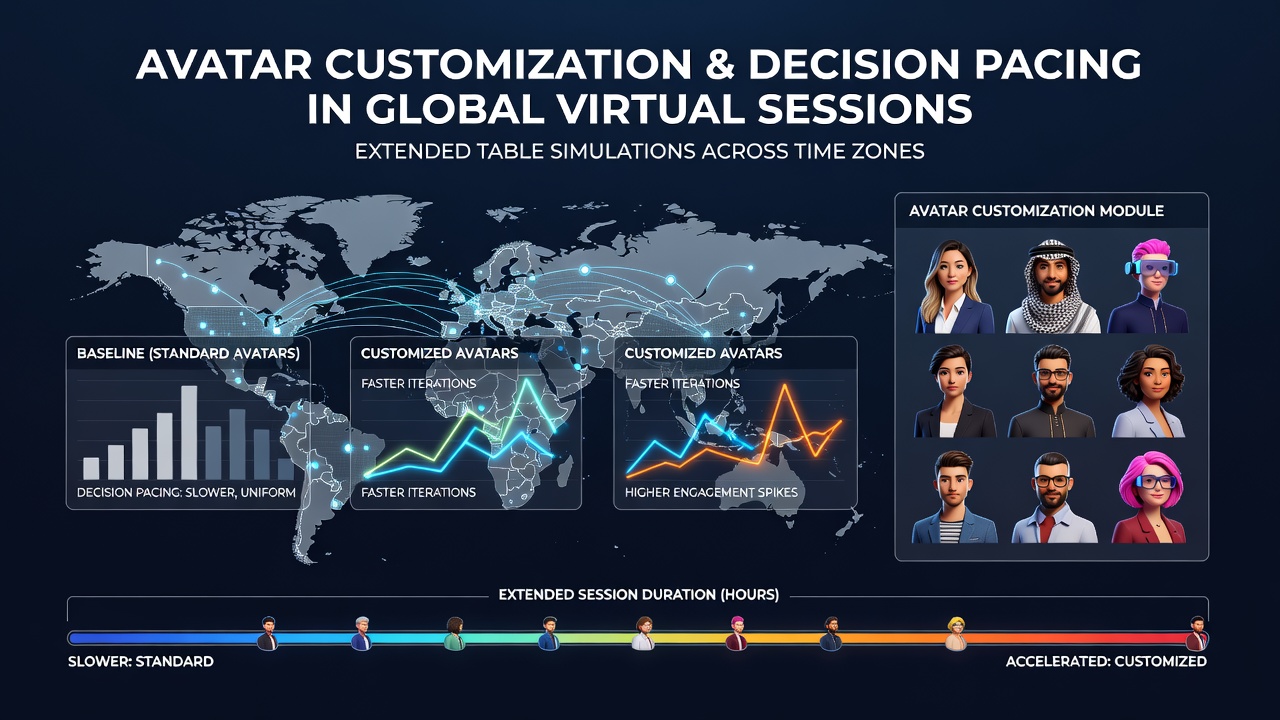
Operators in North America, Europe, and Asia Pacific report similar trends in their internal metrics. Detailed customization menus that include layered clothing options, facial expressions, and gesture packs correlate with slower early-round pacing, while streamlined interfaces produce quicker cycles once play begins. Figures from the Canadian Centre on Substance Use and Addiction highlight that sessions lasting beyond three hours show the clearest divergence, with customized avatars linked to more deliberate betting sequences in poker variants and blackjack tables alike.
Engagement Mechanics and Cognitive Load
Observers note that avatar elements requiring repeated toggling during downtime, such as animated reactions or background props, draw attention away from core game state updates. One study released by the National Opinion Research Center at the University of Chicago examined 12,000 anonymized European and Australian accounts and found that users who switched avatar themes mid-session increased average response times by 18 percent in the subsequent hands. Those who locked a single configuration at the start maintained steadier rhythms throughout extended runs.
Case Examples From Live Platforms
Take one major Asian-facing site that introduced seasonal avatar packs in early 2026. Data collected through July showed participants who applied holiday-themed outfits paused longer before folding marginal hands, apparently because the visual novelty prompted extra review of table dynamics. In contrast, North American rooms that defaulted users to minimal avatars recorded tighter decision loops once the first hour passed. Platform engineers adjusted menu depth accordingly, adding quick-save presets that reduced setup time without eliminating choice.
Regional Regulatory and Design Influences
Regulators in Australia and several Canadian provinces have begun requesting session-pacing analytics as part of licensing renewals. These reports separate avatar-driven delays from other factors such as connection latency or multi-tabling habits. Design teams respond by offering tiered customization levels, allowing players to select basic color swaps for faster entry or full 3D editors for those willing to accept longer setup phases. The result appears in aggregate logs as a measurable split in average action intervals between the two groups.
Interaction With Game Variants
Blackjack tables exhibit shorter overall cycles than multi-player poker rooms, yet avatar effects persist across both. Players who customize table-side props like chips or backgrounds show slightly extended pauses during card reveals, according to telemetry shared by an industry consortium representing operators in the United States and Singapore. Roulette interfaces, which rely more on wheel timing than player choice, display minimal change, though some platforms still record brief avatar-triggered distractions during betting windows.
July 2026 Platform Updates
July 2026 brought several interface refreshes that introduced avatar sync features across devices. Mobile users could now carry the same customized character from desktop sessions without re-selection, and early data indicate this continuity reduces re-customization pauses at the start of follow-up sessions. Global platforms continue to monitor whether these adjustments compress or expand total decision time across full evenings of play.
Conclusion
Avatar customization options integrate directly into the flow of virtual table activity, producing measurable shifts in how participants space their decisions over long sessions. Platform logs, academic reviews, and regional oversight data together demonstrate consistent patterns tied to menu depth, session length, and game type. Operators adjust these features based on aggregated timing statistics, while players encounter the effects through their own pacing habits across different regions and variants.