Augmented Reality Layers Reshape Hand Evaluation in Remote Blackjack Environments
Xander Schmitt · Aug 5, 2026
Augmented Reality Layers Reshape Hand Evaluation in Remote Blackjack Environments
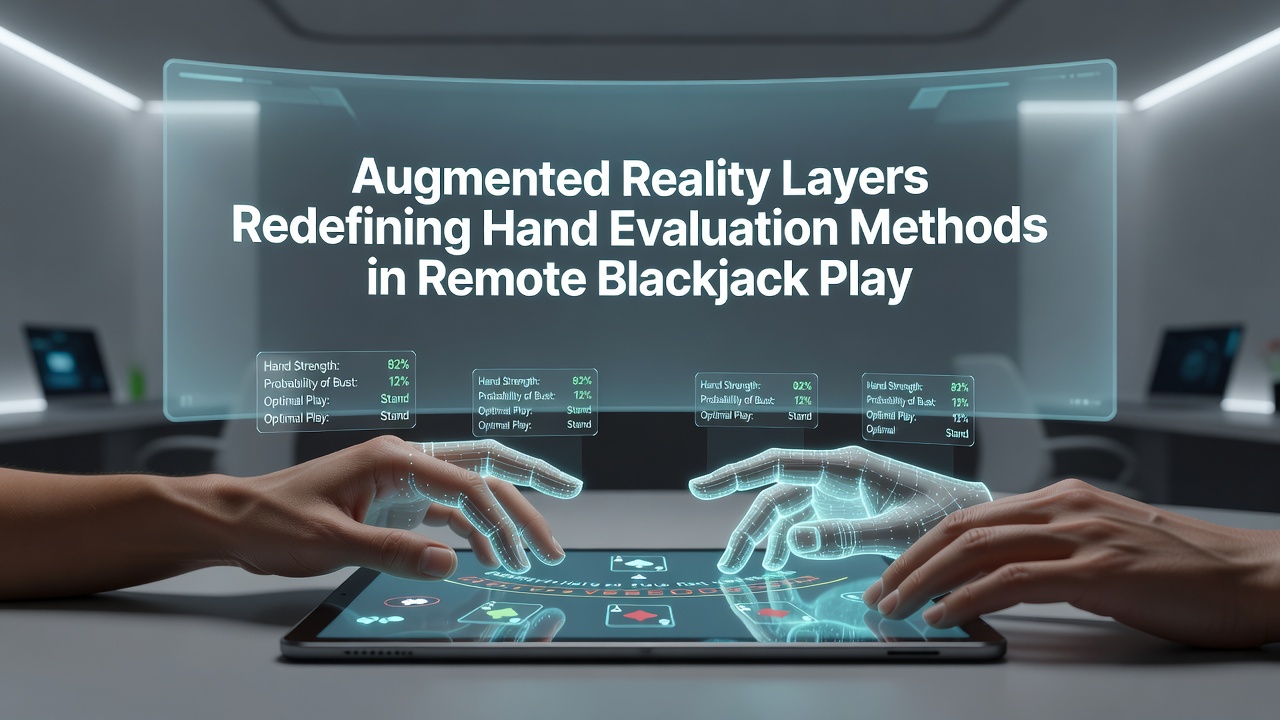
Augmented reality layers now integrate directly into remote blackjack platforms, where digital projections sit over live video feeds to highlight card values, running totals, and potential split options without requiring separate calculation tools. These systems pull data from camera feeds at the dealer table and render transparent annotations that update in real time as cards are dealt, allowing participants to see hand compositions from multiple angles while maintaining the flow of live play. Research from academic institutions tracking gaming technology adoption shows that such overlays reduce manual counting errors in multi-deck scenarios, particularly when remote players manage several tables simultaneously.
Core Mechanics Behind AR Hand Assessment Tools
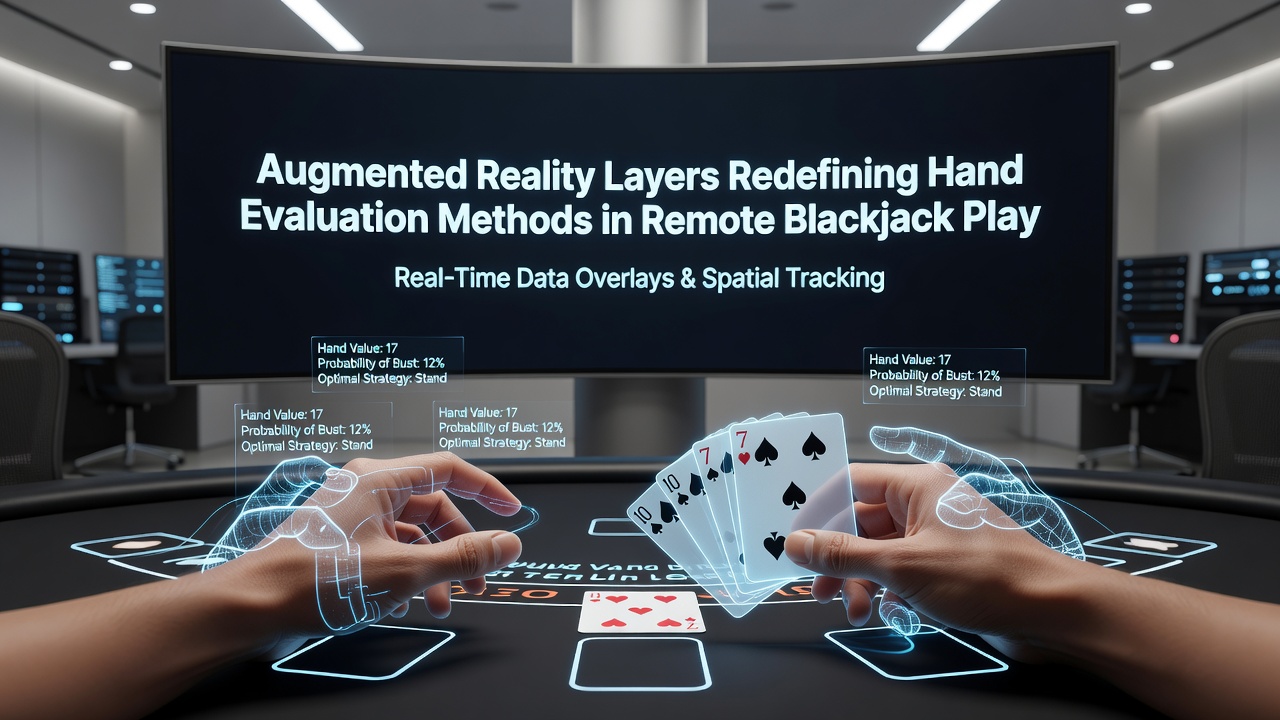
Developers build these layers around computer vision algorithms that recognize standard playing card ranks and suits through video streams, then generate three-dimensional models that float above the physical cards on screen. When a dealer places a card, the system registers the addition within milliseconds and recalculates the hand total, displaying both hard and soft values side by side for immediate reference. Observers note that this approach differs from earlier digital overlays because the AR elements scale and rotate with the camera perspective, preserving the spatial relationship between cards even when the table view shifts during remote broadcasts.
Integration with Existing Remote Platforms
Remote blackjack operators began testing AR hand evaluation features in controlled environments during early 2025, with broader deployment accelerating through the first half of 2026. Data compiled by regional regulatory bodies in North America and Europe indicates that platforms incorporating these layers report higher session continuity, since players spend less time pausing to verify totals manually. The technology connects to existing live dealer infrastructure by layering graphics onto the same video pipeline that streams table action, which means no additional hardware reaches the end user beyond a compatible mobile device or desktop browser equipped with standard AR frameworks.
Those who've examined implementation logs point out that the layers also track discard piles and shoe depletion rates, presenting this information as subtle side panels rather than intrusive pop-ups. Such features allow remote participants to reference remaining deck composition while the primary focus stays on the active hands in front of them.
Regional Adoption Patterns Through August 2026
By August 2026, regulatory frameworks in several jurisdictions had begun requiring transparency reports on how AR tools influence decision-making speed during remote sessions. Figures released by iGaming Ontario demonstrate measurable reductions in average time per hand when AR assistance is active, while similar metrics tracked by the Nevada Gaming Control Board highlight consistent performance across both mobile and desktop access points. European operators, guided by standards from the Malta Gaming Authority, have adopted comparable requirements that emphasize clear separation between informational overlays and any automated strategy prompts.
Academic studies conducted at institutions focused on human-computer interaction further document that players using AR layers maintain accuracy in hand evaluation even during extended sessions, where fatigue typically increases manual miscounts. The reports emphasize that the visual cues remain optional, with toggles available for those who prefer traditional viewing without assistance.
Technical Standards and Data Handling Practices
Industry organizations such as the European Gaming and Betting Association have outlined specifications for AR layer accuracy, mandating that card recognition systems achieve at least 99.5 percent reliability before deployment on licensed platforms. These standards also address latency thresholds, ensuring that updates appear within 200 milliseconds of card placement to match the pace of physical table play. Data from platform audits shows that encrypted transmission of AR metadata prevents any external interference with the rendered information, preserving the integrity of remote evaluations.
Future Development Directions
Continued refinement of AR hand evaluation methods focuses on multi-language support for international audiences and compatibility with emerging headset devices that could deliver more immersive table perspectives. Research indicates that these expansions maintain the same core objective of clarifying hand status without altering the underlying rules or probabilities of the game itself.
Conclusion
Augmented reality layers continue to evolve as a support mechanism for hand evaluation in remote blackjack, driven by improvements in computer vision and regulatory clarity across multiple regions. The documented outcomes center on accuracy gains and session flow, supported by metrics from government agencies and academic sources that track technology deployment through 2026. As integration deepens, the emphasis remains on factual presentation of card data within live streams rather than any shift in game mechanics.