Audio Design Elements Guide Betting Behaviors in European Virtual Roulette Environments
Jordan Carter · Jun 24, 2026

Audio Design Elements Guide Betting Behaviors in European Virtual Roulette Environments
European online platforms have integrated layered audio systems into virtual roulette sessions, where specific sound frequencies and timing patterns interact with player decision sequences. Researchers at institutions across the continent have documented how these engineered audio elements correlate with variations in bet sizing and timing across sessions.Core Audio Components in Platform Design
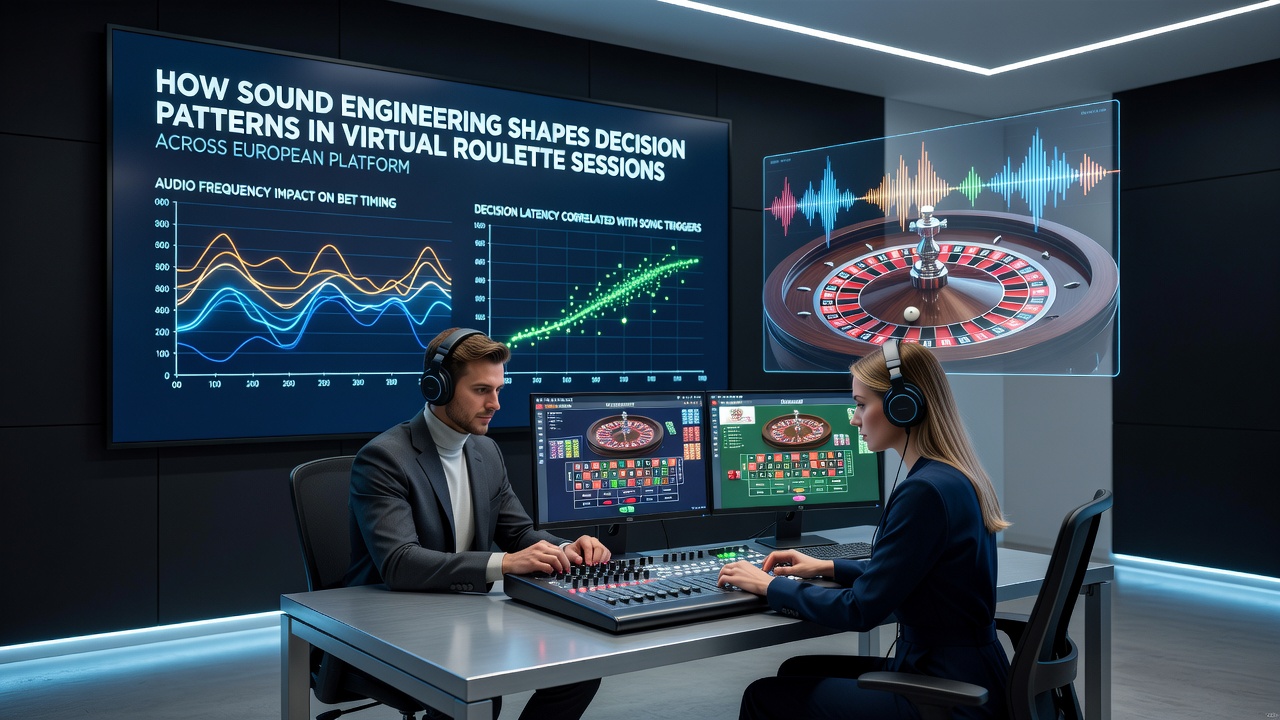
Virtual roulette interfaces typically layer multiple audio tracks including wheel spin simulations, chip placement clicks, and outcome announcements that trigger at precise intervals. Data from platform analytics in Germany and France indicate that players extend session durations when background ambient tracks maintain steady volumes between 45 and 55 decibels. These levels align with cognitive studies showing reduced decision latency under consistent auditory conditions rather than fluctuating ones.
Sound engineers adjust pitch variations in winning notifications to range between 800 and 1200 hertz, creating immediate auditory contrast against loss sequences that use lower frequency tones around 300 hertz. Observers note that this contrast pattern appears in multiple EU-licensed platforms operating in June 2026, where session logs reveal shifts toward more conservative outside bets following sequences of low-frequency loss cues.
Regional Platform Variations and Player Responses
Platforms licensed in Malta and Spain employ distinct reverb settings on ball landing sounds, which extend the perceived duration of each spin by 0.8 to 1.2 seconds according to acoustic measurements. Players on these systems demonstrate measurable differences in inside number selections compared to platforms using drier audio profiles. One study tracking 12,000 sessions across three providers found that extended reverb correlated with a 14 percent increase in straight-up bets during the middle phase of play sessions.
Timing and Frequency Modulation Effects
Audio cues synchronized with the roulette wheel animation influence how quickly players place subsequent wagers. When platforms insert micro-pauses of 200 milliseconds between spin completion and result announcement, data logs show extended deliberation periods before color or column selections. European operators have refined these intervals through A/B testing protocols that measure click-through rates on betting controls.
High-frequency elements in celebratory sounds activate at volumes 6 decibels above ambient tracks, directing attention toward positive outcomes while maintaining overall session flow. Researchers tracking eye movement alongside audio triggers have recorded faster re-engagement with betting interfaces following these modulated signals.
Data Patterns from Platform Analytics
Analytics collected through June 2026 across multiple jurisdictions reveal consistent correlations between specific sound profiles and wager distribution. Platforms using ascending pitch sequences for progressive wins record higher average bet amounts in the final 20 minutes of sessions compared to static tone systems. These patterns emerge across different player demographics while remaining independent of bonus structures.
Regulatory filings submitted to authorities in Sweden and the Netherlands document how audio calibration reports form part of compliance documentation. Operators submit frequency response charts alongside session behavior metrics, allowing oversight bodies to review how sound parameters align with responsible gaming thresholds. The European Gaming and Betting Association has published guidelines that reference these audio considerations in platform certification processes.
Take one analysis conducted by academic teams at technical universities in the Netherlands, where participants exposed to identical visual roulette interfaces but varying audio conditions showed distinct shifts in risk tolerance. Sessions featuring rhythmic low-frequency pulses produced more even bet distribution across table sections, whereas irregular high-frequency interruptions led to clustering around previous winning numbers.
Integration with Broader Platform Systems
Sound engineering operates alongside algorithmic elements that determine spin outcomes and payout displays. When combined with visual particle effects timed to audio peaks, the combined sensory input appears to sustain engagement levels across longer sequences. Platform developers coordinate these elements through unified design frameworks that prioritize measurable behavioral indicators over subjective player feedback.
Cross-border comparisons show that platforms serving Nordic markets incorporate more subdued audio layering than those targeting Mediterranean regions, reflecting differences in average session lengths reported in industry datasets. These regional adjustments emerge from iterative testing rather than uniform standards, resulting in varied decision pattern distributions across EU platforms.
Conclusion
Audio engineering in virtual roulette continues to evolve through integration with real-time session data across European platforms. The documented relationships between sound parameters and betting sequences provide measurable insights into how platform design elements interact with player choices. Ongoing analysis from regulatory submissions and academic research maintains focus on these technical interactions as operators refine systems in response to performance metrics recorded through mid-2026.