Animation Styles Shaping Risk Perceptions in Digital Reel Spins
Xander Schmitt · Jun 14, 2026
Animation Styles Shaping Risk Perceptions in Digital Reel Spins
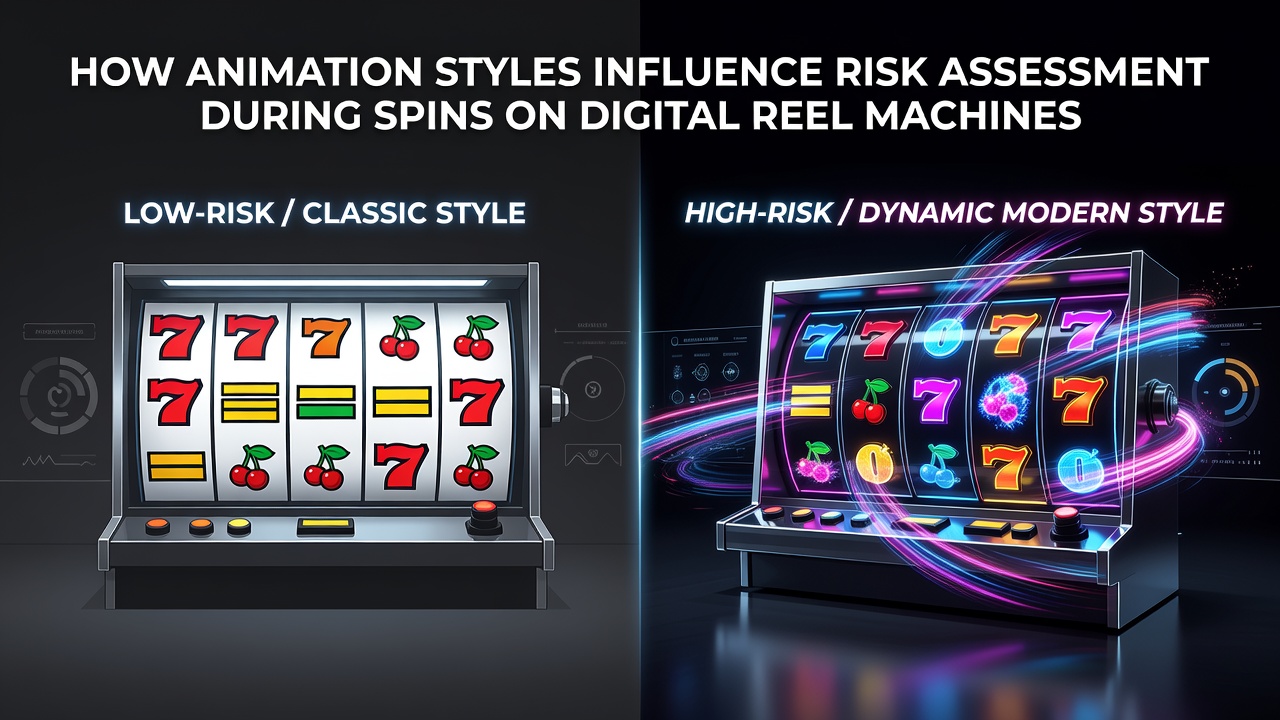
Digital reel machines rely on visual animations to represent spinning cycles, and these elements interact directly with how players evaluate potential outcomes during each round. Observers note that factors such as frame rate, color transitions, and motion blur alter the pace at which symbols appear to settle, which in turn connects to momentary judgments about continuing play or adjusting bets. Research from gaming technology labs shows that smoother animations often extend the perceived duration of a spin by fractions of a second, while abrupt stops create sharper visual contrasts that highlight winning combinations more distinctly.
Core Components of Reel Animation Design
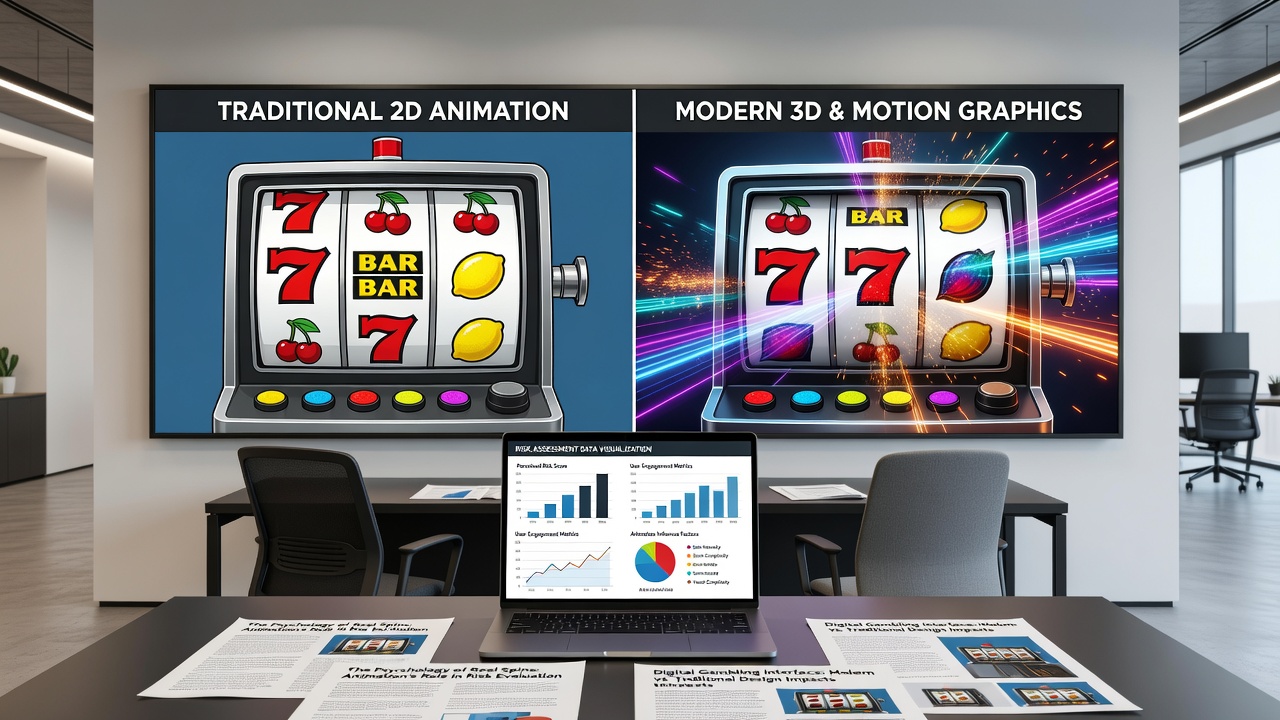
Developers build animation sequences around symbol movement, background lighting shifts, and particle effects that activate once reels halt. These layers combine in real time, and data from platform analytics indicate that players encounter an average of 12 to 15 distinct visual cues per spin cycle on standard five-reel setups. When motion paths follow predictable arcs versus randomized jitter patterns, the difference registers in eye-tracking studies as variations in fixation duration on payline areas. Such patterns emerge consistently across multiple software providers, and figures released in June 2026 from North American testing facilities confirmed that reel acceleration curves influence how quickly users register near-miss configurations.
Links Between Visual Motion and Decision Timing
Psychological research on visual processing demonstrates that continuous motion reduces the cognitive load required to track symbol positions, allowing faster integration of outcome information. In contrast, staggered animations with brief pauses between reels create segmented attention windows where risk calculations occur in stages. A study conducted at a Canadian research institute found that participants exposed to high-frame-rate sequences placed subsequent bets 8 percent sooner than those viewing lower-frame versions, although total wager amounts remained statistically equivalent. This timing shift connects to broader patterns observed in session logs, where shorter intervals between decisions correlate wth higher spin counts over equivalent time periods.
Regional Data on Animation Deployment
European operators have documented differences in animation intensity across markets, with Mediterranean-facing platforms favoring richer particle overlays compared to Nordic sites that prioritize minimal motion. Australian regulatory reports from 2025 highlighted that machines featuring extended reel deceleration phases showed elevated player retention metrics during evening hours, while daytime sessions displayed no measurable deviation. These observations align with findings from Japanese arcade hardware adaptations, where cultural preferences for crisp symbol landings translated into reduced use of motion blur in localized digital versions.
Interaction With Bonus Trigger Mechanics
Bonus round entries often employ distinct animation signatures, such as expanding wild symbols or cascading reel resets, that override standard spin visuals. Platform telemetry collected across multiple jurisdictions reveals that these heightened sequences coincide with temporary increases in bet sizing on the immediate next spin in roughly one-third of recorded sessions. The effect appears stronger when color saturation rises alongside motion complexity, creating a compound visual signal that players associate with elevated reward potential. Yet longitudinal tracking from the same datasets shows that repeated exposure to identical bonus animations diminishes this response within approximately 40 spins.
Technical Standards and Compliance Frameworks
Certification bodies in several jurisdictions require animation parameters to remain within defined tolerance ranges to prevent unintended pacing distortions. Nevada authorities, for instance, mandate that reel spin durations fall between 2.5 and 4.0 seconds under standard conditions, while allowing variance for feature-triggered sequences. Compliance testing protocols evaluate both the mathematical random number generator and the rendered output to confirm that visual timing does not systematically favor particular symbol alignments. Similar guidelines appear in South African and Singaporean frameworks, each adapting thresholds to local hardware capabilities and player demographic profiles.
Emerging Research Directions
Academic teams continue to examine how virtual reality overlays modify the same risk-assessment dynamics observed in flat-screen formats. Preliminary trials conducted at an Australian university lab suggest that three-dimensional depth cues amplify the impact of deceleration animations, leading to extended gaze times on winning lines. Parallel investigations in South Korean gaming research centers focus on haptic feedback integration, where vibration patterns synchronized with reel motion produce measurable shifts in post-spin decision latency. These lines of inquiry build on earlier eye-movement data and point toward more granular models of how sensory channels interact during play sequences.
Conclusion
Animation styles in digital reel machines operate as structured visual signals that intersect with player timing and outcome interpretation at multiple points in each spin. Evidence from certification records, session analytics, and controlled studies demonstrates consistent relationships between motion characteristics and decision intervals, while regional regulatory approaches reflect adaptations to these observed patterns. Continued monitoring of animation parameters alongside behavioral metrics will support ongoing refinement of both design standards and compliance requirements across global markets.