AI Systems Refine Roulette Wagers by Processing Historical Spin Sequences in Online Platforms
Jordan Carter · Jun 3, 2026

AI Systems Refine Roulette Wagers by Processing Historical Spin Sequences in Online Platforms
Online gaming operators collect extensive records of roulette wheel outcomes, and these datasets feed into machine learning models that generate suggested adjustments to bet sizes or selections. The process begins with data capture from thousands of spins across multiple sessions, where each outcome registers as red, black, or green along with wheel position and timing metrics. Algorithms then identify recurring sequences or frequency distributions within those records, although each spin remains an independent event governed by physical randomness in fair wheels.
Data Collection Mechanisms in Digital Roulette Environments
Platforms record every spin through software interfaces that log results in real time, creating structured databases updated continuously as players engage with European, American, or French variants. Sensors in physical wheels at live dealer tables transmit additional variables such as rotor speed and ball drop points, while RNG-based games supply pure numerical outputs for analysis. In June 2026, several operators expanded their data pipelines to include player-specific histories alongside aggregate spin patterns, allowing models to correlate individual wagering tendencies with broader wheel performance metrics.
Technicians segment the information into training sets for supervised learning and validation sets for testing predictive accuracy, a standard practice across data science applications in regulated markets. Government agencies in multiple jurisdictions require operators to maintain audit trails of these datasets to ensure compliance with fairness standards, and industry reports indicate that storage volumes for spin histories have grown substantially as session lengths increase on mobile applications.
Machine Learning Techniques Applied to Spin Pattern Recognition
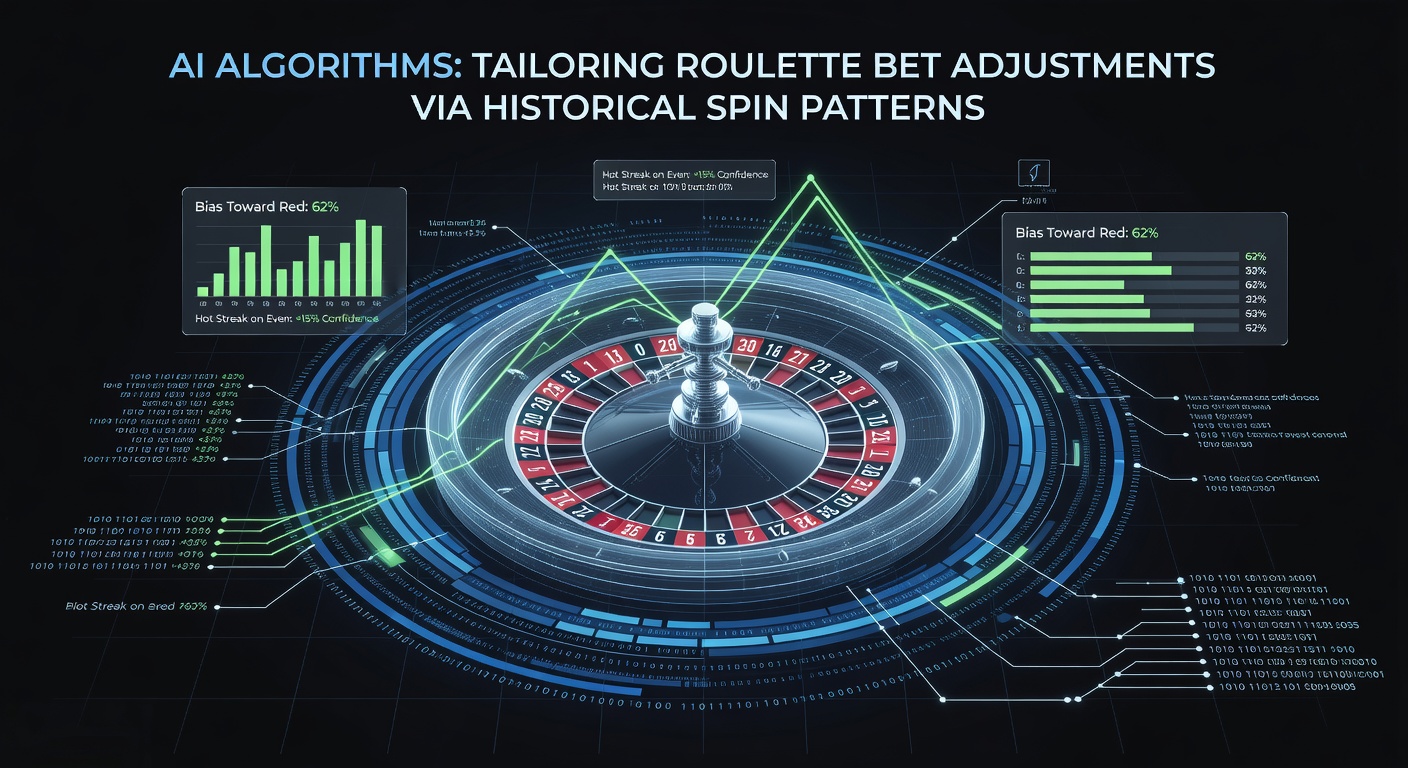
Developers deploy neural networks and regression models that process sequences of prior results to output probability estimates for subsequent spins, though these estimates serve only as informational tools rather than guarantees. Clustering algorithms group similar spin histories together, enabling the system to flag periods when certain numbers or color streaks appeared more often than expected under uniform distribution assumptions. Reinforcement learning components then simulate bet adjustments based on those clusters, testing virtual bankroll changes against historical sequences to refine recommendation rules over repeated iterations.
One documented approach involves decision trees that branch according to recent run lengths, such as consecutive reds or alternating patterns, while another uses time-series forecasting to project short-term deviations from baseline frequencies. Observers note that these methods operate on the assumption of temporary biases in physical wheels or player perception effects, and updates to the models occur weekly as fresh spin data arrives from active tables.
Integration of Recommendations into Player Interfaces
Once models generate outputs, the platform displays adjusted bet suggestions through pop-up notifications or dashboard panels that players may accept or ignore. These displays typically list modified stake amounts for inside or outside bets alongside the raw spin statistics that prompted the change. Software updates in early 2026 introduced customizable filters so users could limit suggestions to specific bet types, and operators report higher engagement rates when interfaces present data visualizations of the underlying patterns rather than raw numbers alone.
Regulatory frameworks in regions such as Australia require clear disclaimers that historical analysis does not alter the house edge, and similar provisions appear in Canadian provincial guidelines for online gaming. Integration also extends to responsible gaming modules that pause recommendations if session duration or loss thresholds reach predefined limits, thereby combining pattern-based suggestions with player protection features.
Performance Metrics and Industry Observations
Studies from academic institutions track the alignment between suggested adjustments and actual subsequent outcomes, revealing that accuracy rates hover near random chance levels when wheels operate without mechanical defects. Industry associations compile anonymized performance summaries that show operators testing multiple model variants simultaneously to identify which algorithms produce the most stable recommendation streams over extended periods. Figures from European research centers indicate that adoption of these AI tools correlates with increased average session times, although causation remains unestablished in published analyses.
Technicians periodically audit model drift by comparing predicted versus observed frequencies, then retrain networks using expanded datasets that incorporate new wheel calibrations or software RNG updates. Such maintenance ensures that recommendations evolve alongside changes in game configurations across different casino sites.
Conclusion
AI algorithms process historical spin data to produce tailored roulette bet adjustments through established machine learning pipelines that capture, analyze, and display pattern-derived suggestions. Operators continue to refine these systems with additional variables and compliance safeguards as regulatory environments evolve, while research entities monitor outcomes across diverse markets to document how data-driven tools interact with standard probability structures in roulette games.